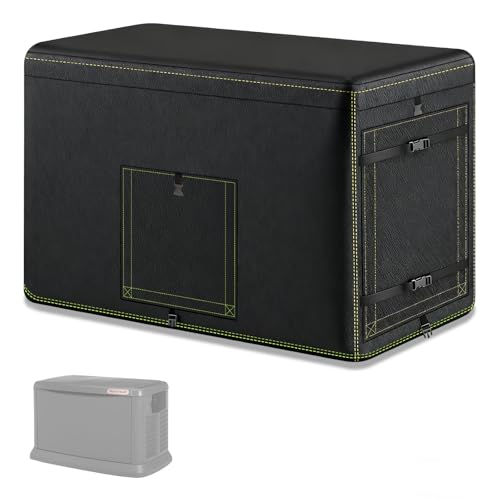
The Ultimate Guide to Choosing the Right Generator for Your Home from homegeneratorcouk
The Ultimate Guide to Choosing the Right Generator for Your Home
When it comes to choosing a generator for your home, there are a few key factors to consider. From power output to fuel type, there are several important considerations that can help you make the right choice for your needs. In this guide, we will walk you through the process of selecting the perfect generator for your home.
1. Determine Your Power Needs
The first step in choosing the right generator for your home is to determine your power needs. Consider the appliances and devices that you will need to power in the event of an outage. Make a list of essential items such as refrigerators, lights, and medical devices, and calculate the total wattage that will be required to run these items simultaneously.
Once you have determined your power needs, you can choose a generator with the appropriate power output. Generators are typically rated in watts, with larger generators providing more power. Make sure to choose a generator that can handle the total wattage of your essential items, with some extra capacity for additional items if needed.
People Also Look For:
- Ozone Generator, Ozone Deodorizer for 5-30 ㎡ Room, Multipurpose Ozone Machine for Water and Air, Portable Odor Eliminator wit...
- Sptchapn Electric Fence Wire - Grounding Rod, Connect The Energizer and Electric Fence Charger Solar Powered, Solar Electric Fence...
- Danger generator room standby generator auto starts during a power outage danger 400 volts safety sign - Self adhesive sticker (60...
- MARBERO Portable Power Station 88.8Wh Camping Power Pack Solar Generator with AC Plug Socket 120W Peak Fast Charging Power Bank fo...
- Ozone Generator, 60000 mg/h High Capacity Ozone Machine with 120 Min Timer, Commercial Industrial O3 Odor Removal Eliminator Deodo...
2. Choose the Right Fuel Type
Generators are available in a variety of fuel types, including gasoline, propane, diesel, and natural gas. Each fuel type has its own advantages and disadvantages, so it is important to consider which option is best for your needs.
Gasoline generators are typically the most common and affordable option, but they can be noisy and require regular refueling. Propane generators are a cleaner and more efficient option, but they may require a larger storage tank. Diesel generators are known for their durability and efficiency, but they can be more expensive upfront. Natural gas generators are a convenient option for homes with access to a natural gas line, but they may not be as readily available in all areas.
3. Consider Portability and Installation
Another important factor to consider when choosing a generator for your home is portability and installation. Portable generators are a convenient option for homeowners who may need to move the generator to different locations, such as during camping trips or outdoor events.
Alternatively, standby generators are permanently installed outside of the home and automatically turn on in the event of a power outage. Standby generators are typically more expensive and require professional installation, but they offer the convenience of automatic operation and seamless power delivery.
4. Think About Noise Levels and Emissions
Finally, it is important to consider the noise levels and emissions of the generator you choose. Generators can be noisy, especially during operation, so it is important to choose a model that is quiet enough to not disturb your neighbors or household members.
Additionally, some generators produce more emissions than others, which can be harmful to the environment and your health. Look for generators that are designed to be eco-friendly and meet emissions standards to minimize their impact on the environment.